You Sell It, We Print It
White-label UV printing for sign makers and agencies. Foam PVC, acrylic, composite, glass, wood and metal at 2400 DPI — white ink and varnish included.
Our Product Categories
Discover the most suitable printing materials for your needs among our categories.
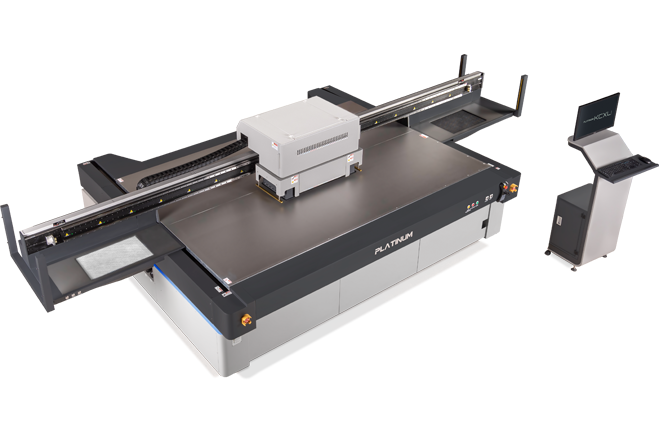
FLATBED (HARD SURFACE) UV PRINTING
Direct UV printing on rigid surfaces such as Dekota, Plexiglass, Composite, Aluminum, and Glass.
Explore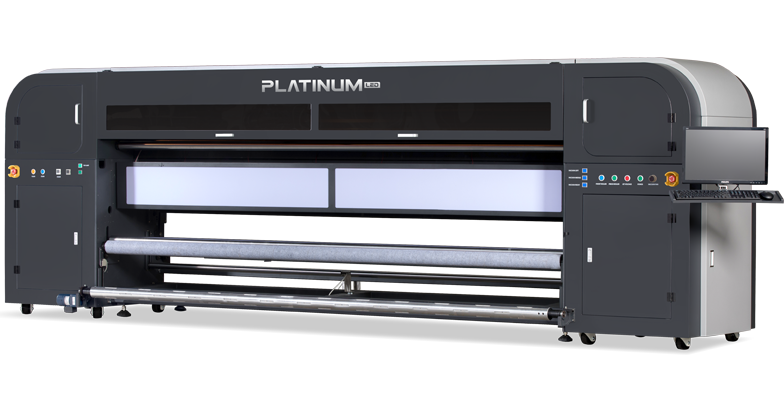
ROLL TO ROLL UV PRINTING
Large format roll printing on flexible materials such as Vinyl, Foil, Banner, and Wallpaper.
ExploreNot a Blank Sheet — a Finished Job
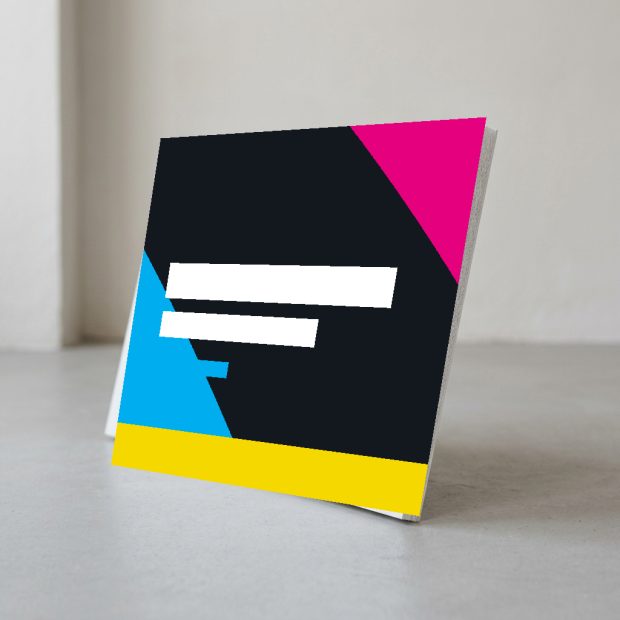
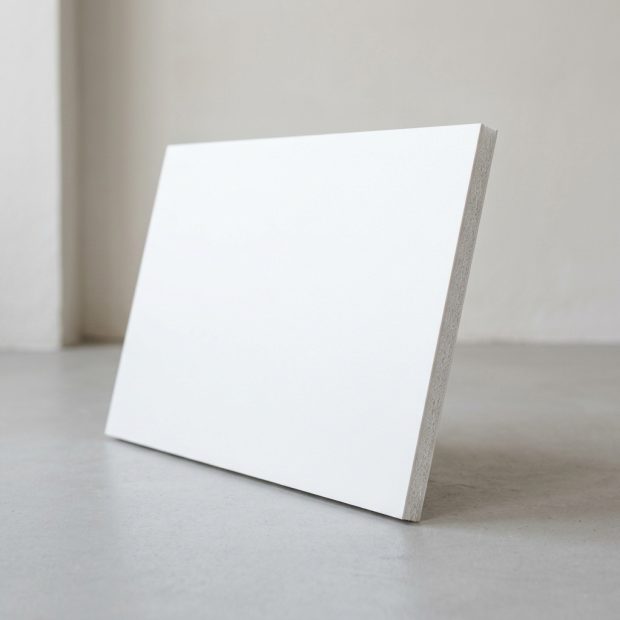
Raw substrate on the left, the printed result on the right. Drag the handle to see the difference.
 RAW SUBSTRATE
AFTER PRINTING
RAW SUBSTRATE
AFTER PRINTING
Printing on Foam PVC
3 mm foam PVC · single-sided print · straight trim

 RAW SUBSTRATE
AFTER PRINTING
RAW SUBSTRATE
AFTER PRINTING
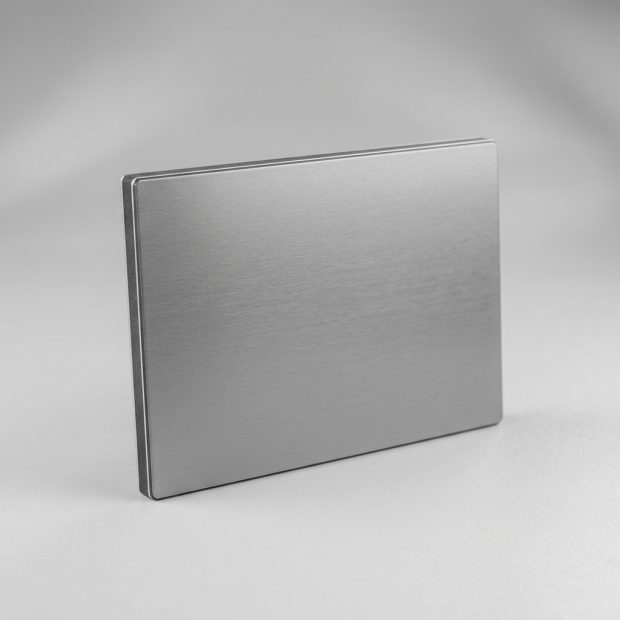
Printing on Composite
4 mm aluminium composite · white ink base · outdoor

 RAW SUBSTRATE
AFTER PRINTING
RAW SUBSTRATE
AFTER PRINTING
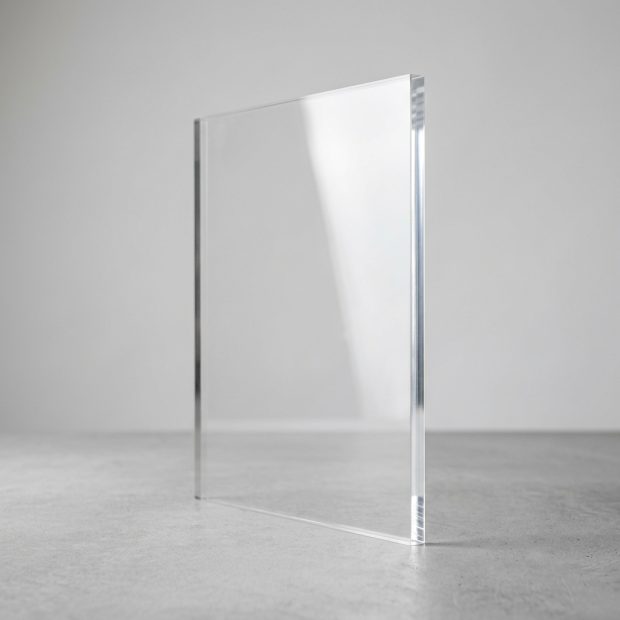
Printing on Acrylic
5 mm acrylic · white ink base · single-sided print
 RAW SUBSTRATE
AFTER PRINTING
RAW SUBSTRATE
AFTER PRINTING
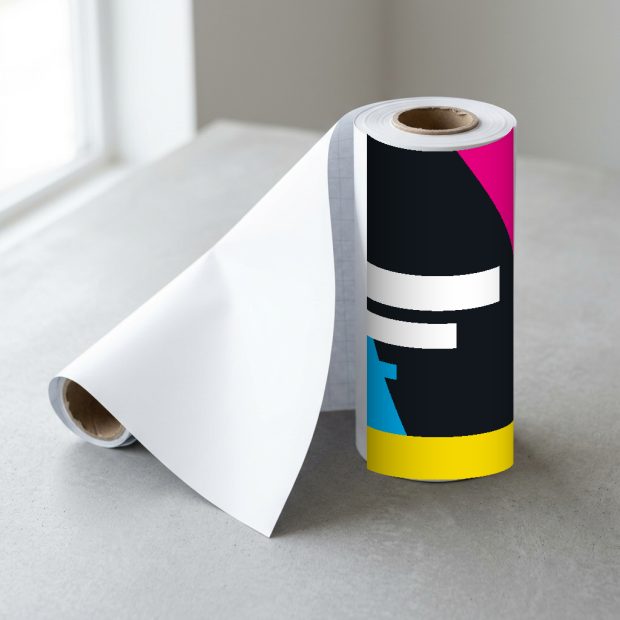
Printing on Vinyl Film
Self-adhesive film · roll-to-roll · ready for lamination
Images are representative; the print was added digitally.
What Do We Print On?
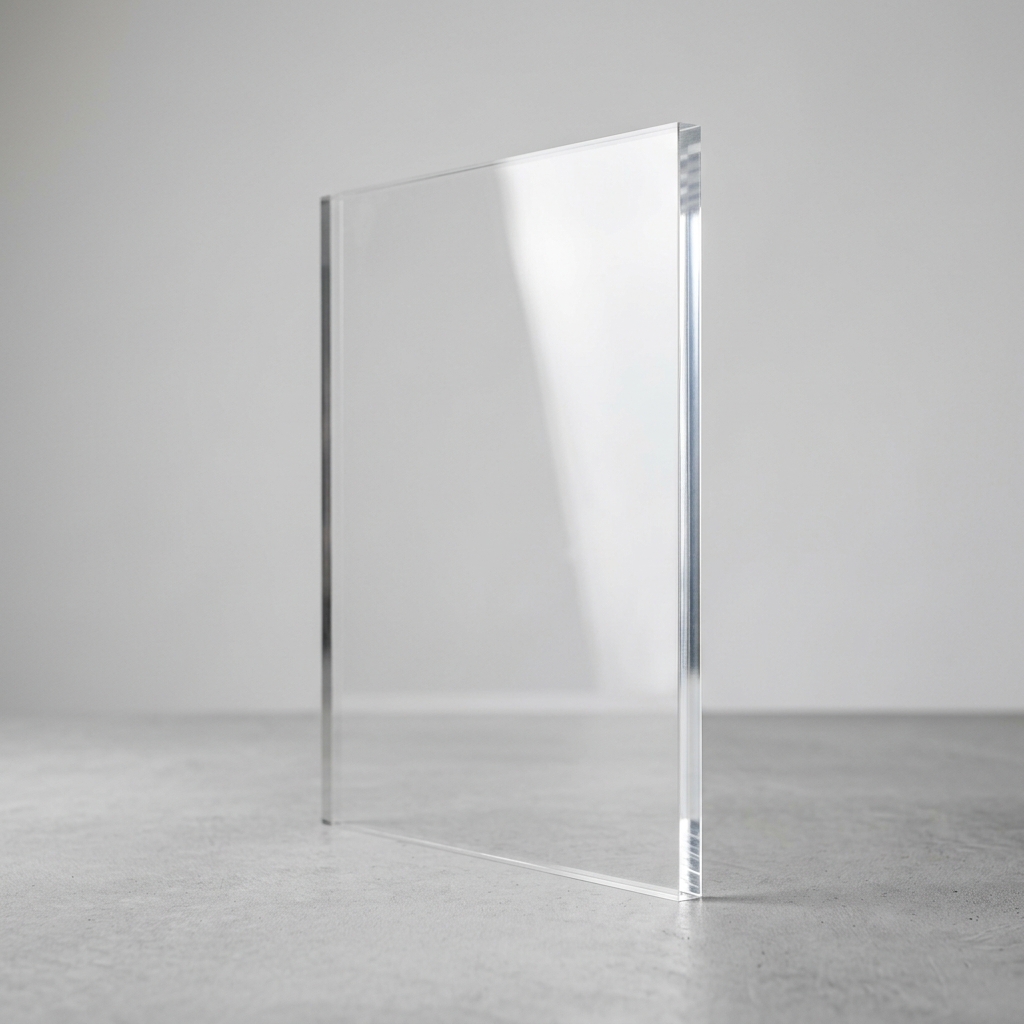
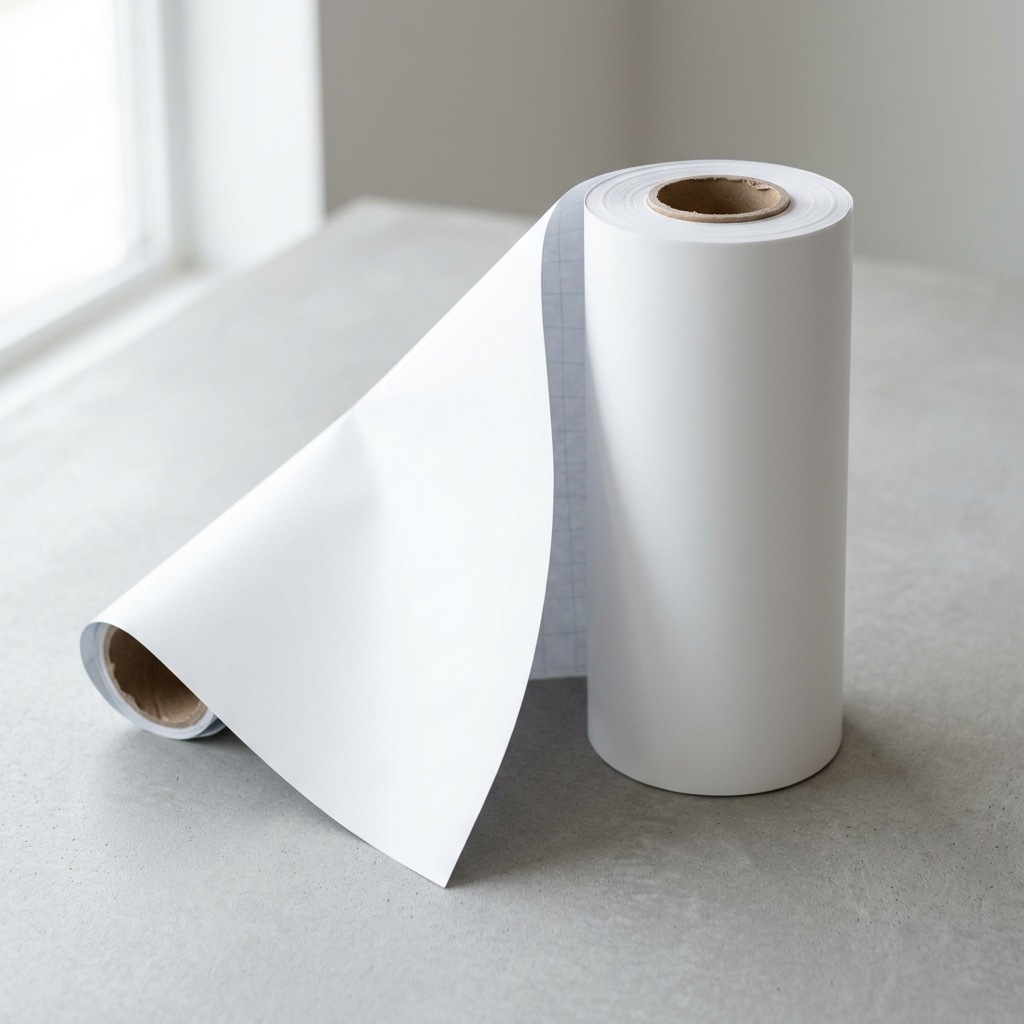
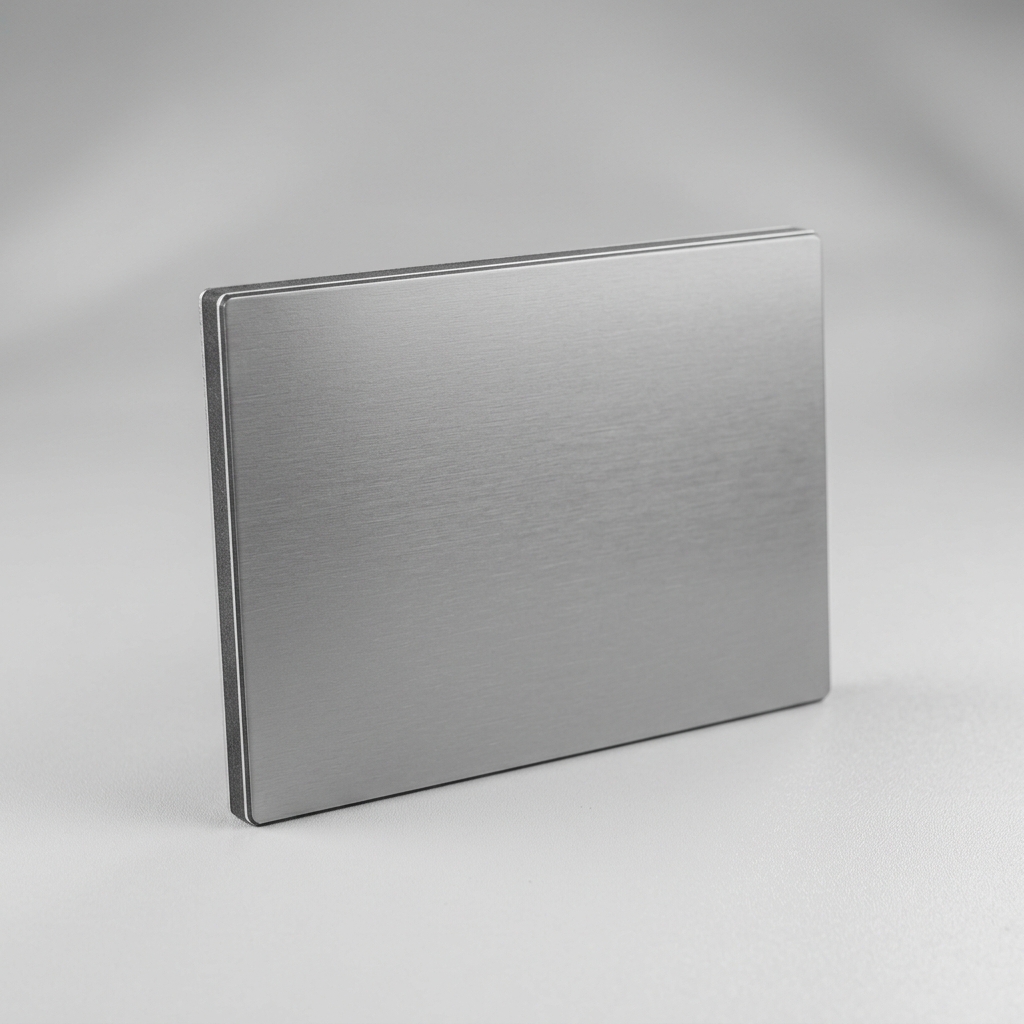
We Print It In Our Own Workshop
We do not resell materials; we print the job ourselves on two UV presses. The figures below are our machines' technical specifications.
2880dpi
Print Resolution
3050×2050mm
Flatbed Print Area
100mm
Max. Material Thickness
3200mm
Roll Print Width
180m²/saat
Print Speed
5pl
Drop Size
CMYK+W+V
Colour Channels
UV-LED
Curing
Güncel Yazılarımız
Choosing a Rigid Substrate: Foam PVC, Composite, Acrylic
Choosing the right rigid substrate decides both how long a sign lasts and whether the job is profitable. Pick wrong and the panel yellows within months and comes back to you; pick something needlessly expensive and you lose the quote. This guide compares the three substrates that cover most flatbed work — foam PVC, aluminium composite and acrylic — from a trade printer's point of view. First, a common mix-up: foam PVC is not composite These two get confused constantly. Foam PVC (Dekota, Forex) is a homogeneous material: expanded closed-cell PVC with no layers. As the Wikipedia article on PVC puts it, sheet PVC is expanded to create interior voids, adding thickness without adding weight. Aluminium composite is a genuine sandwich panel: a polyethylene core between two thin aluminium skins, as described in the aluminium composite panel article. The distinction is not academic — it directly explains how each behaves outdoors. Three materials, three different jobs MaterialWhereStrengthWeakness Foam PVCIndoorLight, easy to cut, economicalYellows and turns brittle under outdoor UV Aluminium compositeOutdoorStays flat, survives weatherHeavier, pricier, needs proper tooling to cut AcrylicIndoor, premiumGlass-like depthScratches; rarely justified outdoors Foam PVC: the indoor default In-store graphics, wayfinding boards, short-run display stands — nearly all of it is foam PVC. 3 mm foam PVC is enough for light work, while 5 mm is safer for wall-mounted signs because it will not bow. We cover thickness in detail in our foam PVC thickness guide. Aluminium composite: the only right answer outdoors For facade signage, long-life directional boards or any panel exposed to wind, use 4 mm aluminium composite. The aluminium skin is unaffected by the heat and UV cycling that deforms PVC, and it will not ripple across a wide facade. Acrylic: when the material itself is the product For reception logos, plaques and door signs, 3 mm acrylic is part of the design. Printing directly onto acrylic preserves the glass-like depth that laminated prints lose. Why UV printing works regardless of material All three run on the same press because of UV curing. Instead of soaking into the surface, the ink polymerises instantly under light and forms a hard film on top. As the UV curing article explains, light energy breaks apart photoinitiators and the chains cross-link into a network. The result is the same on non-porous aluminium as on porous foam PVC. The practical consequence: changing substrate does not change print quality, only cost and lifespan. The decision is driven by where the sign will live, not by technical limits. Three questions that decide it Will it live outdoors? If yes, composite. Using foam PVC outside means a free replacement in six months. Will the edge be cut? For dimensional letters or contour shapes, thicker foam PVC cuts cleaner — plan it together with CNC cutting. Is the substrate coloured or clear? Then you need white ink. We cover that in a separate article. Frequently asked questions Can foam PVC never be used outdoors? It is fine for short-term work such as campaigns and events. For permanent signage it is not recommended: UV exposure yellows it and makes it brittle. Does thicker foam PVC solve the outdoor problem? No. The issue is not rigidity but how the material reacts to UV and heat. Extra thickness does not prevent yellowing. Is acrylic used outdoors? Technically yes, but cost and scratch risk rarely justify it. Composite is the rational outdoor choice. Which substrates require white ink? Clear acrylic, clear vinyl and coloured or brushed composite surfaces. Without a white layer the colours blend into the substrate.
How to Choose Foam PVC Thickness: 3 mm to 19 mm
When choosing foam PVC thickness, most people ask a single question: "how strong should it be?" In practice three separate variables decide it — how the panel is mounted, how wide the unsupported span is, and whether the edge will be cut. Separate those three and the choice becomes obvious, and you stop paying for thickness you do not need. Thickness by application ThicknessTypical jobNote 3 mmIn-store graphics, short-run boardsFine when framed or mounted flat 5 mmWall-mounted signs, wayfindingThe most used thickness; will not bow over 1 m 7 mmFree-standing displays, shelf unitsExtra stiffness without moving to composite 10 mmDimensional letters, exhibition standsCuts cleanly on CNC without chipping 15-19 mmStructural pieces, display furnitureWhen the edge itself is part of the design 1. Mounting method drives thickness If the panel sits in a frame or is mounted flat to a surface, the substrate is not carrying the load and 3 mm foam PVC is plenty. If it hangs from two points, the load goes into the material itself and going below 5 mm is risky. 2. Unsupported span Rule of thumb: past a 1 m unsupported span, do not go below 5 mm. Past 1.5 m you need 7 mm or a reinforcing frame. For genuinely large outdoor panels the right move is changing material rather than adding thickness — as covered in our substrate selection guide, this is where aluminium composite takes over. 3. Is it being cut? With contour cutting or dimensional letters, thickness becomes an aesthetic decision: the cut edge is now a visible surface. 10 mm foam PVC gives letters shadow and depth. 19 mm is for pieces that must stand on their own. Remember to supply the cut path with your artwork — details in our file preparation guide. What extra thickness does not fix A common mistake is choosing thick foam PVC for outdoor durability. Foam PVC's outdoor problem is not rigidity but UV yellowing and embrittlement. A 19 mm sheet yellows exactly like a 3 mm one. Outdoors, solve it with material, not thickness. Frequently asked questions Are Dekota and Forex the same thing? Yes. Both are brand names for expanded closed-cell PVC sheet. Can I bond two 3 mm sheets instead of using 5 mm? Technically possible but not advised: the bond line separates over time and shows as a line on any cut edge. At what thickness does weight become an issue? Above 10 mm, factor in the mounting hardware. Foam PVC is light, but at 19 mm and large formats double-sided tape alone will not hold.
When Do You Actually Need White Ink?
White ink is the decision most trade customers postpone until it is too late — and getting it wrong means reprinting the job. The rule fits in one sentence: if the substrate is not white and the colours have to look right, you need white underneath. Why CMYK alone is not enough Printing inks are translucent. On white paper or a white sheet that is not a problem — the white underneath reflects light back and colours look as intended. On clear, black, grey or brushed aluminium, the ink mixes with the substrate colour instead. A red logo drops to pale pink on clear acrylic, and to almost nothing on dark composite. White ink here is not a colour but a ground: an opaque layer printed beneath the colours. Four cases where you need it 1. Printing on clear material On clear acrylic and clear vinyl, without white the colours blend into whatever wall or glass sits behind. For reception logos and door signs, 3 mm acrylic + white or 5 mm acrylic + white is the standard choice. 2. Coloured or metallic substrates On brushed or coloured aluminium composite, colours will not reach full density without a white base. That is exactly what 4 mm composite + white is for. 3. Selective opacity on glass For window work where part of the glass stays clear but the graphic must be solid, use clear vinyl + white. White is printed only where the graphic is; the rest stays see-through. 4. Reverse printing (viewed from behind) If the print goes on the back face of glass or acrylic and is viewed from the front, the layer order flips: colours first, then white. You must state this in the file — otherwise the job prints correctly but looks washed out from the viewing side. Where you do not need it White foam PVC, white composite and white banner — the ground is already white. Backlit applications: with backlit vinyl the point is to transmit light, and a white layer blocks it. Effect work where blending into the background is intentional. The cost side White ink is an additional print layer: it increases both ink consumption and press time. A price difference is normal and belongs as a separate line on the quote. But skipping white "to save money" usually means printing the job twice. When deciding on material, see our substrate selection guide as well. Frequently asked questions How do I specify white ink in my artwork? Supply the white area as a separate spot layer named "WHITE". Without a named layer there is no way to know which areas should carry white. Does white have to cover the whole sheet? No. Printing it only under the coloured areas is both sufficient and cheaper. Full-area white is only needed when the entire panel must appear opaque. Does white ink yellow over time? Cured UV inks are stable. Yellowing usually comes from the substrate ageing outdoors, not from the ink.
Why Turkomax?
Fast Production
Receive your projects on time with same-day or 24-hour delivery options.
High Quality
We offer vibrant, non-fading print quality with latest generation UV printers and original inks.
Online Pricing
Calculate instant prices by entering size and quantity. Transparent and competitive pricing policy.
24/7 Support
Our technical team is always available to answer your questions and manage your project.
Free Shipping
We offer free shipping across Turkey for orders over a certain amount.
Revision Guarantee
Free reprint guarantee if you are not satisfied with the color or print quality.
Let's Bring Your Project to Life
Contact us now to get a free quote or learn more about your printing process.